How to Choose an Electric Wine Opener in 2026

Time:2026-11-27 Author:Sophia
0%

Choosing an electric wine opener in 2026 is less about chasing the newest gadget and more about finding one that suits your table, hands, and habits. If you open bottles occasionally, a compact model with simple controls may be enough. For frequent dinners, battery life, charging time, grip, and storage matter more. A foil cutter is useful, too, especially when it stays secure and is easy to clean.

Why you should switch from manual to electric wine openers? For many people, the appeal is straightforward: less twisting, steadier handling, and a more comfortable way to remove a cork. Press a bottle against the counter, hold the opener upright, and the cork should come out with little effort. But not every model feels effortless. Some are heavier than expected, and others can struggle with older or brittle corks. That detail deserves a closer look.

This guide will help you compare the features that make a practical difference, including power options, ease of use, safety, and overall value. We’ll also consider who may prefer a traditional corkscrew. An electric opener is not automatically better for everyone. Check product specifications, warranty terms, and care instructions before buying, and treat performance claims with sensible caution. A quiet motor is pleasant. A reliable fit in your kitchen drawer may matter more.
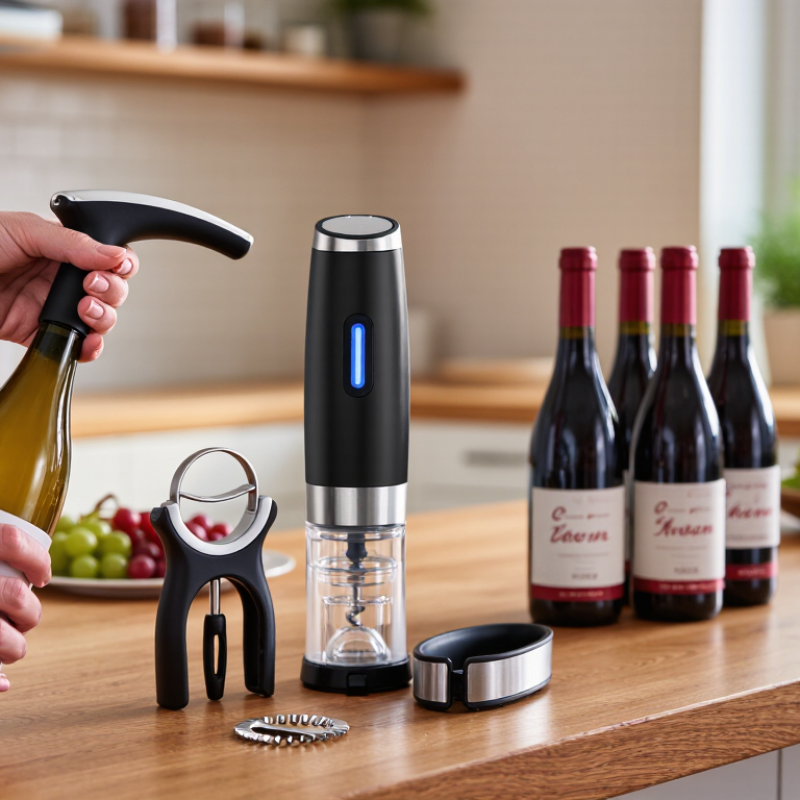
How to Choose an Electric Wine Opener in 2026

How Electric Wine Openers Work

An electric wine opener uses a small motor to turn a metal spiral, often called a worm, into the cork. You position the opener over the bottle neck and press a button. Inside, gears guide the spiral downward while the opener’s outer sleeve steadies the bottle. When the cork is engaged, the motor reverses and pulls it upward. Simple in theory.

Many models use separate buttons for extraction and cork release. The second reverse motion pushes the cork off the spiral, so you do not need to pull it free by hand. Some openers include a foil cutter, but it does not power the mechanism; it removes the capsule covering the cork. Keep the opener upright and centered. A tilted spiral may tear a cork, especially if it is old or dry. The motor can also strain when the opener is poorly aligned. I used to assume more pressure meant faster opening; it usually just makes the tool work harder. Rechargeable designs may slow as their batteries run low, so a hesitant motor is not always a cork problem. Check the charging level, then try again with the opener seated squarely on the neck.

Assessing Your Wine-Opening Needs

Before comparing features, notice how you actually open wine at home. A bottle on Friday differs from six bottles during dinner with friends. If you open wine only occasionally, a compact, simple opener may be enough. Frequent use makes battery life, charging time, and a comfortable grip more relevant. Picture your counter. Will the opener stand upright, fit in a drawer, or need a charging base? Small details become annoying fast. It is easy to overrate a sleek finish; check the grip before the shine.

Consider who will use it, too. Someone with limited hand strength may value a steady grip and one-button operation, while others may prefer a manual backup. Electric openers work with many standard corks, but old, brittle, or damaged corks may still crumble. That is not always a defect. A slow, centered approach often helps; forcing the mechanism can make things worse. Consider where bottles are stored and whether you will carry the opener to the table or away from an outlet. A foil cutter can be useful, but loose parts disappear in busy kitchens. Your routine is the real test.

Comparing Opener Types and Key Features

Electric wine openers generally use rechargeable batteries or replaceable cells. Rechargeable models suit frequent use and reduce battery changes, but check charging time and whether the unit works while plugged in. Battery-powered versions can be handy in a drawer or for occasional use; keep spare cells nearby. Both types use a spiral to grip and lift the cork. A centered spiral matters: if it enters at an angle, the cork may crumble. Small detail, big difference.

Compare the handle, controls, and foil cutter, not just the opening speed. A broad grip can feel steadier, especially when opening several bottles in a row. One-button operation is simple, though a clear reverse control helps release a stuck cork without tugging. Check the opener’s height against your storage space, and notice its weight before buying; a heavier body may feel solid but tire the hand. Some models are louder than expected. Read care instructions, since dried cork dust around the spiral can affect operation. A low price can be tempting, but it says little about long-term durability. That judgment takes time.

Checking Compatibility, Safety, and Maintenance

Before buying an electric wine opener, check the cork types it supports. Some models handle natural and synthetic corks, while others struggle with unusually long or brittle ones. Measure the bottle neck clearance if the opener has a wide housing. A snug fit matters.

Check the charging method, battery life, and whether a charging cable is included. For safety, look for a stable grip, a covered or well-designed foil cutter, and clear instructions. Keep fingers away from the cutting edge and opening mechanism. Never force a stuck cork. If the opener tilts or the cork begins to crumble, stop and reposition it. Small details count.

Maintenance is simple, but easy to neglect. Wipe the exterior with a slightly damp cloth, then dry it fully. Keep the corkscrew mechanism free of foil scraps, following the manual rather than applying oil without guidance. Do not immerse the device or rinse it under a tap. Store it upright in a dry drawer, and recharge it before the battery sits empty for months. No checklist catches everything. Even a well-reviewed opener may feel awkward with certain bottles, so handle its shape and controls before choosing when possible.

Evaluating Price, Warranty, and Long-Term Value

For an electric wine opener, compare the total cost, not just the shelf price. A low-cost model can become poor value if its battery weakens or its foil cutter breaks. Check the warranty for coverage length, battery exclusions, and who pays return shipping. A one-year warranty may be adequate, but only if replacement parts and service are easy to obtain. Small detail. Worth checking.

The National Retail Federation and Appriss Retail estimated that 14.5% of U.S. retail sales were returned in 2023. That figure covers retail broadly, not wine openers, but it makes return terms worth reading before purchase. Keep the box until you have opened several bottles and tested the charging dock. For long-term value, compare the warranty with the cost of a replacement unit, then consider how often you host. If you open two bottles a month, a premium model may take years to justify its extra cost. I’d still hesitate to treat warranty length as proof of durability; it measures promised support, not actual lifespan. Check the fine print.

How to Choose an Electric Wine Opener in 2026

Compare purchase price with warranty coverage to assess upfront cost and protection.

Planning scenarios only—not market quotes or brand data. The example price points ($25, $50, and $75) and warranty periods (1, 2, and 3 years) illustrate how to compare listings; verify actual prices and warranty terms before buying. A longer warranty can offer more coverage, but it does not by itself establish better long-term value.

FAQS

What is the difference between rechargeable and replaceable-battery openers?

Rechargeable models suit frequent use and reduce battery changes. Replaceable-battery models are handy for occasional use. Keep spare cells nearby.

Why does the spiral need to be centered?

A centered spiral enters the cork more evenly. If it tilts, the cork may crumble. Small detail, big difference.

Which controls and features should I check?

Look for a steady grip, clear buttons, and a reverse control for releasing a stuck cork. Check the foil cutter, opener height, and weight. Some models are louder than expected.

Will an electric opener work with every cork and bottle?

Not always. Some openers may struggle with unusually long or brittle corks. Check bottle-neck clearance if the housing is wide, and consider the opener’s shape before buying.

How can I use an opener safely?

Keep fingers away from the cutter and opening mechanism. Never force a stuck cork. If the opener tilts or the cork starts crumbling, stop and reposition it.

How should I clean and store an electric opener?

Wipe the exterior with a slightly damp cloth, then dry it fully. Remove foil scraps as the manual directs. Don’t immerse it or rinse it under a tap. Store it upright in a dry drawer.

What should I look for in a warranty?

Check the coverage period, battery exclusions, return shipping costs, and access to service or replacement parts. A longer warranty doesn’t prove longer life. I’d still check the fine print.

Is a more expensive opener worth the extra cost?

It depends on how often you open bottles. If you open two bottles a month, a premium model may take years to justify its price. Keep the box until you’ve tested several openings and the charging dock.

Conclusion

Choosing an electric wine opener in 2026 starts with understanding how it works: a small motor turns a corkscrew into the cork, then reverses to release it. Why you should switch from manual to electric wine openers? An electric model can make opening bottles quicker and require less hand strength, which may be helpful if you open wine often or find manual corkscrews uncomfortable. Consider how many bottles you typically open, where you’ll use the opener, and whether you prefer a rechargeable or battery-powered design.

Compare models by grip, opening speed, noise, charging method, and useful extras such as a foil cutter. Check that the opener fits the bottle types you use, and look for clear instructions, safe handling features, and easy-to-clean parts. Finally, weigh the purchase price against battery or charging needs, warranty coverage, expected durability, and replacement-part availability. The best choice is one that suits your routine and offers reliable value over time.

Sophia

Sophia

Sophia is a dedicated marketing professional with an exceptional depth of knowledge about her company's products and services. With a keen understanding of market trends and customer needs, she crafts insightful blog posts that not only inform but also engage readers, enriching the company’s online......