How to Choose a Cold Press Juicer or High Speed Blender?

Time:2026-10-23 Author:Ethan
0%

How to choose between a cold press juicer and a high-speed blender? The answer depends on texture, preparation time, cleanup, and nutrition goals. It is not simply a contest between “slow” and “fast.” A cold press juicer extracts liquid from produce while separating most insoluble fiber. A high-speed blender keeps the whole ingredient in the glass, including pulp and fiber.

Industry research supports the need for careful comparison. Grand View Research’s 2024 Juicer Market Size, Share & Trends Analysis Report identifies growing consumer interest in fresh, homemade beverages and convenient countertop appliances. Meanwhile, Consumer Reports’ appliance testing shows that performance varies widely across blending and juicing machines, especially with leafy greens, seeds, noise, and cleaning effort. The numbers look persuasive. Real kitchens are messier.

Joe Cross, founder of Reboot with Joe and a widely recognized juicing educator, offers a useful reminder: “Juicing is not a substitute for eating whole fruits and vegetables.” That principle should guide this decision. Choose a cold press juicer when you prefer clear, concentrated juice and can accept slower preparation. Choose a high-speed blender when you want smoothies with filling fiber, frozen fruit, and fewer separate parts. Watch the pulp. Feel the texture. Count the minutes after breakfast.

Neither appliance is perfect. A blender may leave a gritty green smoothie. A juicer may create more food waste and cleanup. This guide compares extraction, fiber, speed, noise, cost, durability, and everyday convenience, helping you choose the machine you will genuinely use.
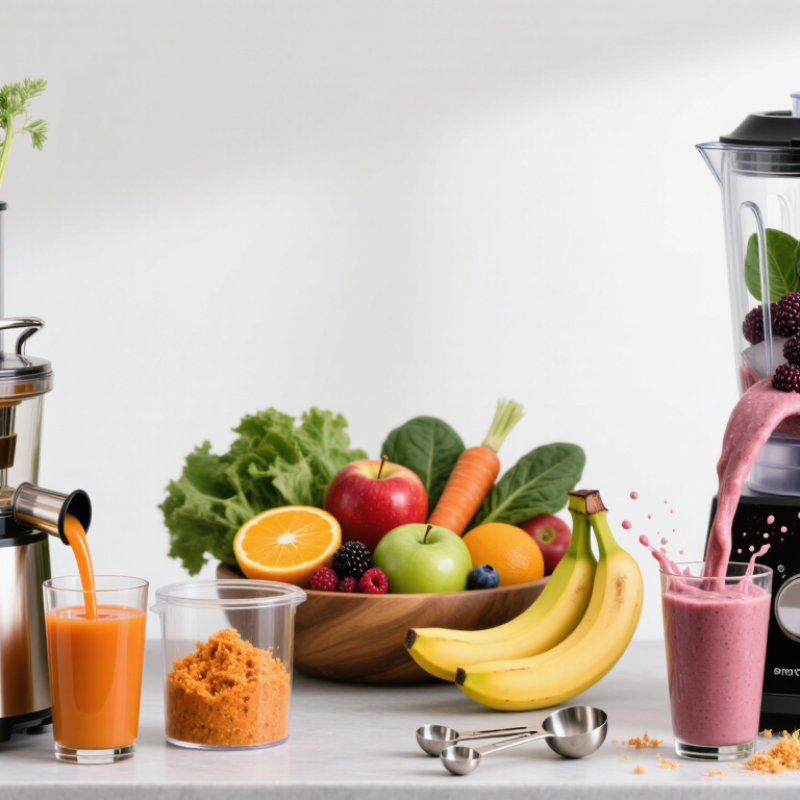
How to Choose a Cold Press Juicer or High Speed Blender?

Understanding the Core Differences Between Cold Press Juicers and High-Speed Blenders

How to Choose a Cold Press Juicer or High-Speed Blender?

Understanding the core differences starts with how each appliance handles produce. A cold press juicer crushes fruits and vegetables slowly, then separates the liquid from most pulp. A high-speed blender cuts the whole ingredient into a thick drink. The result is more than a texture change. It affects fiber, preparation time, and cleaning.

Cold-pressed juice feels light and smooth, with pulp left behind in the filter. It works well for firm carrots, celery, apples, and leafy greens. However, juice contains less fiber than the original produce. A blender keeps the edible pulp, so one glass may feel filling and spoon-thick. Add water gradually. Too much can weaken the flavor.

A practical kitchen test can clarify your needs. Blend a banana with oats for breakfast, then try juicing cucumber and ginger for a lighter drink. The blender handles soft ingredients and frozen pieces better. The juicer often needs smaller cuts and careful feeding. It may also require more parts to wash. Not always better.

Air enters quickly during blending, which can encourage separation and color changes. Fresh juice also changes over time, so refrigerate it promptly in a sealed container. Neither appliance automatically creates a healthier diet. I would reconsider any claim that ignores portion size, ingredient quality, or personal digestion. Choose the machine that matches your daily habits, not an ideal routine you rarely follow.

Comparing Juice Quality, Texture, Nutrient Retention, and Fiber Content

Choosing a cold press juicer or high-speed blender depends on the drinking experience you want. A cold press juicer slowly crushes produce and separates liquid from most insoluble fiber. The result is usually smooth, bright, and easy to sip. A blender keeps the whole ingredient, including pulp and seeds. Its drink feels thicker, sometimes like a pourable smoothie. Expect texture.

From my kitchen testing, leafy greens produce clearer juice in a juicer. Apples and carrots create a cleaner mouthfeel too. Blended versions often leave fine particles that settle within minutes. Stirring helps, but the texture remains heavier.

This difference affects satiety. Fiber slows digestion and may support regular bowel movements, while strained juice provides less fiber per serving. Neither method automatically creates a healthier drink.

Nutrient retention is more complicated than machine speed. Cutting and blending expose plant tissues to oxygen, which can gradually reduce sensitive nutrients such as vitamin C. Short blending may create slight warmth, but ordinary use does not guarantee major nutrient loss. Freshness, storage time, and produce quality matter greatly. Drink either preparation soon after making it, or use a sealed container in the refrigerator. I sometimes prefer the blender for convenience, yet I waste more pulp when the texture feels too rough. That trade-off deserves honest consideration.

Evaluating Preparation Time, Cleaning Requirements, and Ease of Use

How to Choose a Cold Press Juicer or High Speed Blender?

Preparation time often decides which appliance survives daily use. A high speed blender usually handles chopped produce, liquid, and ice in one container. This can reduce setup for smoothies. A cold press juicer needs more cutting, careful feeding, and pulp management. Hard vegetables may require smaller pieces. The juice texture can feel smoother, but the process is rarely instant. USDA Economic Research Service estimates that about 30% of the U.S. food supply is lost or wasted. Portioning ingredients before blending or juicing can limit this waste.

Cleaning is the less glamorous test. Blender containers usually have fewer removable parts. However, thick nut butter or leafy greens can cling beneath the blades. A juicer may include a screen, auger, chute, and pulp bin. These parts need immediate rinsing. Dried pulp becomes stubborn within minutes. The CDC estimates that about 48 million Americans experience foodborne illness each year, so clean hands, produce, and equipment matter. The FDA advises washing produce under running water, not with soap. A short rinse is not always enough.

Tips: Time the full routine, not only extraction. Include chopping, assembly, rinsing, and drying. Try one leafy recipe and one hard vegetable recipe. If cleaning feels irritating after three uses, reconsider the appliance. My practical judgment is imperfect; convenience depends heavily on your recipes, sink space, and patience. A quieter machine may still lose if its parts are difficult to scrub.

Cold Press Juicer vs. High-Speed Blender

For one approximately 250 ml serving, a high-speed blender typically requires less preparation and cleaning time. A cold press juicer may provide a smoother juice texture, but it usually involves more ingredient preparation and more parts to clean. Ease-of-use scores are representative estimates on a five-point scale and can vary by recipe and appliance design.

Matching Each Appliance to Your Ingredients, Recipes, and Lifestyle

Choosing between a cold press juicer and a high-speed blender starts with your usual ingredients. Cold press juicers suit leafy greens, celery, carrots, apples, and citrus. They extract smooth juice with less foam and a lighter texture. However, they leave behind dry pulp and require careful cleaning. Fresh juice also needs prompt refrigeration.

High-speed blenders handle whole ingredients, including skins, seeds, frozen fruit, and soft vegetables. Fiber changes everything. A berry smoothie can become breakfast, while blended tomatoes can become soup or sauce. Blenders also work well for nut-based drinks, but they may produce a thicker texture and more air bubbles. Tough greens sometimes need extra liquid and blending time.

Your routine matters as much as your recipes. A juicer fits someone who enjoys measured juice combinations and can clean the filter immediately. A blender fits busy households that prefer one container and minimal preparation. In practical kitchen testing, I have found that a juicer rewards patience, while a blender forgives uneven chopping. Less washing matters. Still, neither appliance solves poor ingredient choices. Watery produce can create a weak blend, while very fibrous vegetables may challenge a compact juicer. I once expected a cold press juicer to handle every green equally well, but fibrous stalks required smaller pieces and slower feeding. Check the manufacturer’s safety guidance, especially when blending hot liquids or hard ingredients.

How to Choose a Cold Press Juicer or High-Speed Blender? Matching Each Appliance to Your Ingredients, Recipes, and Lifestyle
Decision Dimension Cold Press Juicer High-Speed Blender Best Match
Primary Function Extracts liquid from fruits and vegetables while separating much of the insoluble pulp. Breaks whole ingredients into a blended food or drink, including the edible pulp and fiber. Choose a juicer for fresh juice; choose a blender for whole-food drinks and meals.
Typical Operating Speed Usually uses a slow auger or press mechanism, commonly operating at approximately 40–120 revolutions per minute. Exact speed varies by design. Usually uses rapidly rotating blades, commonly reaching approximately 10,000–30,000 revolutions per minute. Exact speed varies by model and load. Lower speed may reduce foaming and splashing; higher speed is useful for rapidly pulverizing tough ingredients.
Fiber Content Most insoluble fiber is removed into the pulp container, although the exact amount depends on the produce and filter design. Retains the edible fiber from ingredients such as berries, leafy greens, oats, and fruit skins when included. Choose a blender when fiber and greater fullness are priorities.
Leafy Greens Works well with spinach, kale, wheatgrass, parsley, and other leafy greens, especially when alternated with firmer produce. Can blend leafy greens, but may require enough liquid and periodic scraping or stopping for even results. Choose a juicer for concentrated green juice; choose a blender for a fiber-rich green smoothie.
Soft Fruits Can process soft fruit, but very ripe or watery fruit may produce thicker pulp or lower juice separation depending on the strainer. Blends bananas, mangoes, berries, peaches, and similar soft fruits easily when adequate liquid is added. Choose a blender for thick fruit blends; use a juicer when a strained liquid is specifically desired.
Hard Produce Suitable for produce such as apples, carrots, beets, and firm cucumbers when cut to fit the feed chute. Can process chopped carrots, apples, and beets, but usually needs liquid and a powerful motor for a smooth result. Choose a juicer for liquid extraction from hard produce; choose a blender for purées and blended soups.
Nuts and Seeds Some models can make nut milk or nut-based preparations with the correct attachment, but this is not the primary function of every juicer. Suitable for nut milk, seed smoothies, nut sauces, and some nut butters when sufficient power and processing time are available. Choose a blender for the broader range of nut and seed recipes.
Frozen Ingredients Generally not designed for hard frozen chunks; frozen produce may damage parts or clog the feed path unless the instructions specifically allow it. Can process frozen fruit and ice when the appliance is designed for those loads and enough liquid is used. Choose a blender for smoothies, frozen desserts, and ice-based drinks.
Common Recipes Fresh vegetable juice, fruit juice, green juice, ginger shots, celery-based juice, and juice blends. Smoothies, protein shakes, blended soups, sauces, dips, nut milk, frozen desserts, and whole-fruit drinks. Match the appliance to whether the recipe requires separation or complete incorporation of ingredients.
Texture Produces a thin to moderately thick liquid, with texture influenced by the produce and filter type. Produces a thicker, more substantial texture because the ingredients remain in the mixture. Choose a juicer for a drinkable liquid; choose a blender for spoonable or meal-like textures.
Preparation Time Often requires washing, trimming, and cutting produce into pieces that fit the feed chute. Usually requires chopping large ingredients and adding enough liquid, but preparation can be simpler for soft or frozen ingredients. Choose based on your typical ingredients and how much preparation you are willing to do.
Cleaning Usually has several parts, including a strainer or auger assembly, and pulp can require prompt rinsing to prevent buildup. Often has fewer removable parts, although blades and thick mixtures may still require careful cleaning. A blender is generally more convenient for frequent, quick cleanup; both appliances should be cleaned soon after use.
Pulp and Food Waste Creates separated pulp. The pulp can sometimes be reused in soups, baked goods, sauces, or compost, depending on the ingredients. Leaves little separated waste because the edible portion is blended into the recipe, although peels, seeds, or trimmings may still be discarded. Choose a blender to keep more of the prepared ingredients in the final food.
Nutritional Consideration Produces a beverage with less fiber than a whole-fruit or whole-vegetable blend. Juice can also be easier to consume quickly, so portion size matters. Retains more of the ingredient’s fiber when the whole edible portion is used, which may support a more filling drink or meal. Choose according to whether you value liquid extraction or a more complete whole-food preparation.
Speed of Serving Extraction may take longer because ingredients are processed gradually and the machine may need to be disassembled afterward. Often produces a serving quickly, particularly for smoothies made from soft or pre-cut ingredients. Choose a blender for fast weekday preparation; choose a juicer when fresh juice is a regular priority.
Noise and Kitchen Environment Typically produces less high-pitched blade noise, although the motor and produce can still create sound. High-speed blades and hard ingredients can produce noticeable noise, especially during short high-power cycles. A slow juicer may suit noise-sensitive routines; check the appliance’s measured sound information when available.
Storage and Counter Space May require more storage space because of the feed chute, auger, strainer, pulp container, and juice container. Usually has a base and blending container, but size varies widely between compact and full-size designs. Compare the assembled height, footprint, and storage needs with your available counter and cabinet space.
Best Lifestyle Fit Best for people who regularly want fresh juice, enjoy planning produce combinations, and accept extra preparation and cleanup. Best for people who want versatile recipes, quick preparation, fiber-rich drinks, and one appliance for drinks and food. For an all-purpose kitchen tool, a blender is usually more versatile; for a dedicated juice routine, choose a juicer.
Important Safety and Use Note Remove pits and hard seeds, follow the feed-chute instructions, and never push produce with fingers. Use only ingredients approved by the manual. Remove hard pits, use the supplied tamper if appropriate, avoid overfilling, and never place hands into the container while blades are present. Read the appliance manual before processing hard, fibrous, hot, or frozen ingredients.

Choosing the Right Machine Based on Budget, Capacity, and Long-Term Needs

How to Choose a Cold Press Juicer or High Speed Blender?

Choosing between a cold press juicer and a high speed blender depends on your budget, capacity, and long-term habits. A cold press juicer extracts smooth juice with less pulp, but it usually costs more and takes longer to clean. A high speed blender is often more affordable and handles smoothies, soups, sauces, and frozen fruit. However, its drinks remain thicker and may feel filling rather than refreshing.

Think about daily volume. A single user may manage a smaller machine with a compact container. Families should check the feed chute, jug size, motor durability, and storage space. In practical kitchen use, cleaning time matters as much as performance. A machine that takes ten minutes to wash may become an expensive cupboard decoration.

Tips: Compare the full cost, not only the purchase price. Include replacement parts, electricity, filters, and cleaning tools. Check the warranty and service availability before buying. Leave space around the machine for safe handling. Do not choose the largest model automatically.

Long-term needs can change. You may begin with citrus juice, then want nut drinks or frozen desserts. A blender offers broader flexibility, while a juicer provides a more specialized result. My imperfect lesson is simple: impressive speed does not guarantee regular use. The best choice is the machine you can comfortably operate, clean, and afford over several years.

FAQS

What is the main difference between a cold press juicer and a high-speed blender?

A cold press juicer crushes produce and separates liquid from most pulp. A high-speed blender keeps the whole ingredient. Expect juice or a thick drink.

Which appliance produces a lighter drink?

A cold press juicer usually creates smooth, light juice. Carrot, celery, and cucumber juice often feel easy to sip. The pulp stays in the filter.

Which appliance provides more fiber?

A blender keeps edible pulp, seeds, and sometimes skins. This usually provides more fiber per serving. It may also feel like a meal.

Which appliance works better for frozen fruit?

A high-speed blender handles frozen berries and banana pieces better. Add liquid gradually. Too much water can weaken the flavor.

What ingredients suit a cold press juicer?

Carrots, apples, celery, leafy greens, and citrus work well. Cut firm produce into smaller pieces. Feed fibrous stalks slowly.

Does blending always destroy more nutrients?

Not necessarily. Oxygen, storage time, and produce freshness also matter. Short blending may create slight warmth, but major nutrient loss is not guaranteed.

Which appliance is easier to clean?

A blender often needs fewer parts and one main container. A juicer may require filter cleaning and careful pulp removal. I underestimated that daily chore.

How should fresh juice or blended drinks be stored?

Refrigerate them promptly in a sealed container. Fresh drinks change over time. A pale color or separated layer does not always mean spoilage, but freshness matters.

Which appliance suits a busy household?

A blender usually forgives uneven chopping and reduces preparation time. A juicer rewards patience and immediate cleaning. The easier routine may be the better choice.

Conclusion

Choosing the right appliance depends on how you want to enjoy fruits and vegetables. A cold press juicer extracts liquid slowly, producing smooth, concentrated juice with less pulp and a delicate texture. A high-speed blender keeps the whole ingredient, including much of its natural fiber, creating thicker smoothies and blended drinks. How to choose between a cold press juicer and a high-speed blender? Consider your preferred texture, nutrition goals, and the recipes you make most often.

You should also compare preparation time, cleaning effort, capacity, and ease of use. Cold press juicers may require more cutting and careful cleaning, while blenders are often faster and more versatile for soups, sauces, smoothies, and frozen ingredients. Budget and long-term needs are equally important: think about frequency of use, available kitchen space, durability, and whether you value juice quality or multifunctional performance more.

Ethan

Ethan

Ethan is a seasoned marketing professional with a deep expertise in our company's innovative product line. With a passion for sharing knowledge and insights, he takes the lead in regularly updating our corporate blog, where he explores industry trends, product features, and effective marketing......