Why is My Dehumidifier Leaking Water from the Bottom?

Time:2026-06-16 Author:Charlotte
0%

If you’ve noticed water pooling around your dehumidifier, you may be wondering, "Why is my dehumidifier leaking water from the bottom?" This issue can be both frustrating and concerning. Dehumidifiers are designed to effectively remove excess moisture, but when they leak, it can lead to water damage and mold growth in your home.

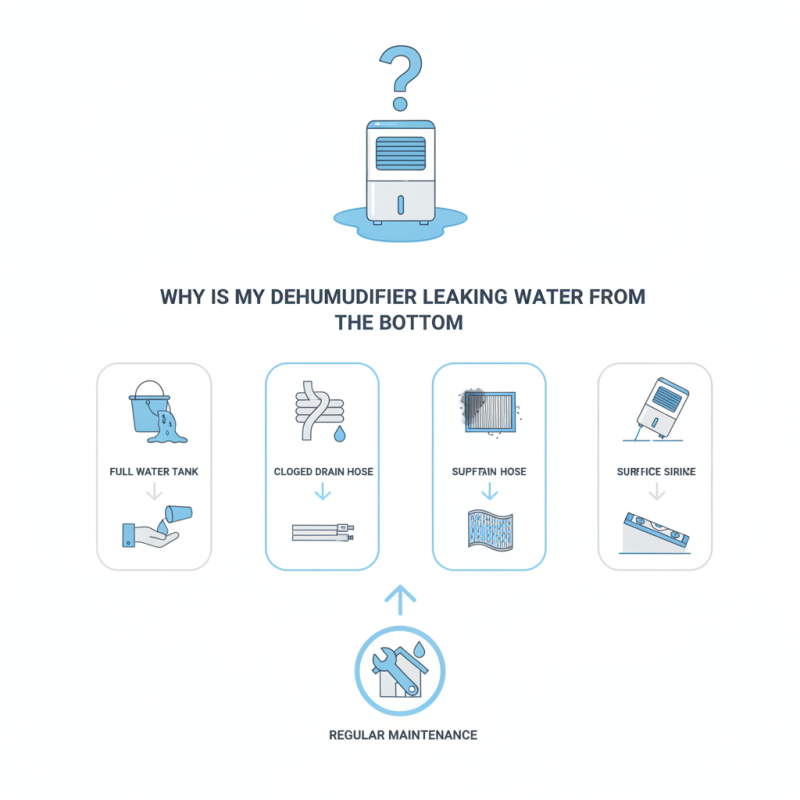
Several factors can contribute to this problem. A full water tank is a common culprit. If the tank reaches its capacity, water can overflow. Additionally, a clogged drain hose or filter may also cause leaks. Improper positioning or a damaged unit could exacerbate the situation. Understanding these potential causes is crucial in finding a solution.

Regular maintenance of your dehumidifier can help prevent leaks. Check the tank, clean filters, and examine hoses regularly. Addressing minor issues early can save time and money. Instead of ignoring the problem, take action to resolve it. Don't let a leaking dehumidifier disrupt your space; explore the reasons behind the leak for a better understanding.
Why is My Dehumidifier Leaking Water from the Bottom?

Common Causes of Dehumidifier Water Leaks from the Bottom

One common cause of water leaks from the bottom of a dehumidifier is an overflowing water tank. If the tank is full, the dehumidifier cannot collect more moisture. Consequently, excess water spills out. Regularly check the tank to ensure it's emptied before it reaches capacity. This simple step might prevent unnecessary leaks.

Another issue could be a damaged or misaligned drain hose. If the hose is kinked, improperly installed, or cracked, water cannot flow properly. This could cause a backup, leading to leaks. Inspect the hose for any signs of wear or tear. Ensure it's connected securely to the unit and is positioned correctly.

Clogged filters can also contribute to leaks. Over time, dust and debris accumulate in the air filter. This can reduce airflow and lead to excess condensation. Clean or replace your filters regularly to maintain optimal performance. These small yet significant details can protect your home from unwanted moisture and damage. Paying attention to these factors can lead to a more effective and leak-free dehumidifier experience.

Understanding the Internal Components of a Dehumidifier

A dehumidifier is a complex machine. Understanding its internal components can help diagnose issues like leaks. The most critical part is the refrigerant coils. These coils cool down the air, allowing moisture to condense. If there's a blockage or malfunction, this water may not drain properly.

Another vital component is the water collection bucket. If it's full or has a poor seal, leaks can occur. The float switch, which triggers the unit to stop when the bucket is full, may also fail. Inadequate maintenance can lead to problems. Dust and dirt can accumulate, impairing performance.

Regularly checking these parts is crucial. Take time to clean the coils and the bucket. Look for cracks or breaks that could cause leaks. Ignoring these details can result in more significant issues down the line. Addressing these concerns promptly can prevent water damage and maintain the dehumidifier's function.

How to Diagnose a Leakage Issue in Your Dehumidifier

Dehumidifier leaks can be frustrating. Diagnosing the issue is key to a quick fix. Common causes include a blocked drain line, a full water tank, or improper placement. Research shows that improper placement accounts for 25% of dehumidifier failures. Keeping the unit on a flat surface helps ensure proper drainage.

Check the water tank. If it's full, it might not be emptying correctly. A full tank will cause the dehumidifier to leak from the bottom. Inspect the drain line, too. Debris or mold can create blockages, preventing water from flowing out properly. Reports indicate that 30% of dehumidifiers experience drainage issues due to clogs.

Another factor to consider is the humidity level in your space. High humidity can overwhelm your unit. Proper analysis reveals that when humidity exceeds 60%, dehumidifiers work harder and are prone to malfunction. Ensure the settings are appropriate for your environment. Monitoring humidity can help prevent leaks and prolong the life of your machine. Remember to troubleshoot regularly to avoid unexpected leaks in the future.

Steps to Fix and Prevent Dehumidifier Leaking Problems

Dehumidifiers may leak for several reasons. Common causes include a clogged drain hose, a full water tank, or issues with the internal pump. Research indicates that approximately 50% of home moisture problems are related to inadequate humidity control. This can lead to leaks, causing structural issues in your living space.

To fix these leaks, check the drain hose for clogs. Clear any blockages, as even small debris can create problems. Inspect the water tank. If it's full, empty it regularly. Some models have an automatic shut-off feature, which might fail. Test this to ensure it functions correctly.

Preventative measures are key. Regular maintenance is crucial. Clean filters every month. Dust and mold can accumulate, affecting performance. According to industry reports, users experienced a 30% reduction in leaks after implementing a diligent maintenance routine. Keeping humidity levels between 30% to 50% can also help. Consider a humidity monitor. Such devices offer real-time feedback and can alert you to problems before they escalate.

When to Seek Professional Help for Dehumidifier Issues

If your dehumidifier is leaking water from the bottom, it may signal serious issues. Identifying when to call in professionals is crucial. Small leaks can often result from a full water tank or clogged filters. However, persistent leaks require expert examination.

Professional help is essential when the dehumidifier shows signs of malfunction beyond normal wear. Unusual noises, persistent leaks, or burnt smells can indicate significant problems. If you notice these, delaying a call could lead to more costly repairs.

Ignoring minor issues can escalate into bigger repairs. Always remember that a leaky dehumidifier could damage your home or promote mold growth. Seeking expert advice can save time and prevent further maintenance headaches. Don't hesitate to consult a professional when in doubt. Their expertise can provide insightful solutions that a simple DIY fix might not achieve.

FAQS

: What causes a dehumidifier to leak water from the bottom?

: A common cause is an overflowing water tank. Ensure to empty it regularly.

How can I tell if my drain hose is the problem?

Check for kinks or cracks. A damaged hose prevents proper water flow.

What role do filters play in preventing leaks?

Clogged filters reduce airflow. Regularly clean or replace them to avoid excess condensation.

What internal components should I inspect?

Focus on refrigerant coils and the water collection bucket. Look for blockages or poor seals.

How can I fix common leaking problems?

Clear clogs in the drain hose and regularly empty the water tank if full.

What maintenance steps should I take to prevent leaks?

Clean filters monthly and monitor humidity levels closely. Keeping it between 30%-50% helps.

What should I do if the automatic shut-off fails?

Test the shut-off feature regularly. If it fails, consider professional repair.

Why are regular checks important?

Ignoring maintenance can lead to bigger issues, like extensive water damage in your home.

How does humidity affect leaks?

Inadequate humidity control can lead to structural issues and increase the risk of leaks.

What is a humidity monitor?

A device that tracks moisture levels. It can alert you to problems before they escalate.

Conclusion

If you've ever asked yourself, "Why is my dehumidifier leaking water from the bottom?" you're not alone. This issue can arise from various common causes, such as a clogged drain line, a damaged water collection bucket, or faulty internal components. Understanding how these elements function within your dehumidifier can help you diagnose the problem effectively.

To address and prevent leaks, it's important to check for blockages, clean the internal filters, and ensure that the unit is level. If you're unable to resolve the leakage issue through these steps, or if you suspect a more complex internal malfunction, seeking professional help may be necessary to ensure your dehumidifier operates effectively and safely.

Charlotte

Charlotte

Charlotte is a seasoned marketing professional with a deep understanding of the company's portfolio and a passion for elevating its presence in the market. With a keen eye for detail and a commitment to excellence, she ensures that our professional blog is regularly updated with insightful articles......