In today's fast-paced world, technology has transformed our kitchens into efficient cooking spaces. The rise of smart appliances is reshaping how we prepare meals. Smart gadgets streamline tasks, saving time and energy. But, what are the essential smart appliances for a modern kitchen?
From smart refrigerators that track inventory to intelligent ovens that can be controlled remotely, these devices enhance our cooking experience. They also help reduce waste and improve organization. However, not every kitchen needs every smart appliance. It's important to consider which tools truly add value.
Navigating the world of smart appliances can be overwhelming. Some products promise high-tech features, but don’t deliver on functionality. Evaluating what you really need can be challenging. Balancing innovation with practicality is crucial. Embracing smart technology can elevate your culinary skills, but careful selection is key.
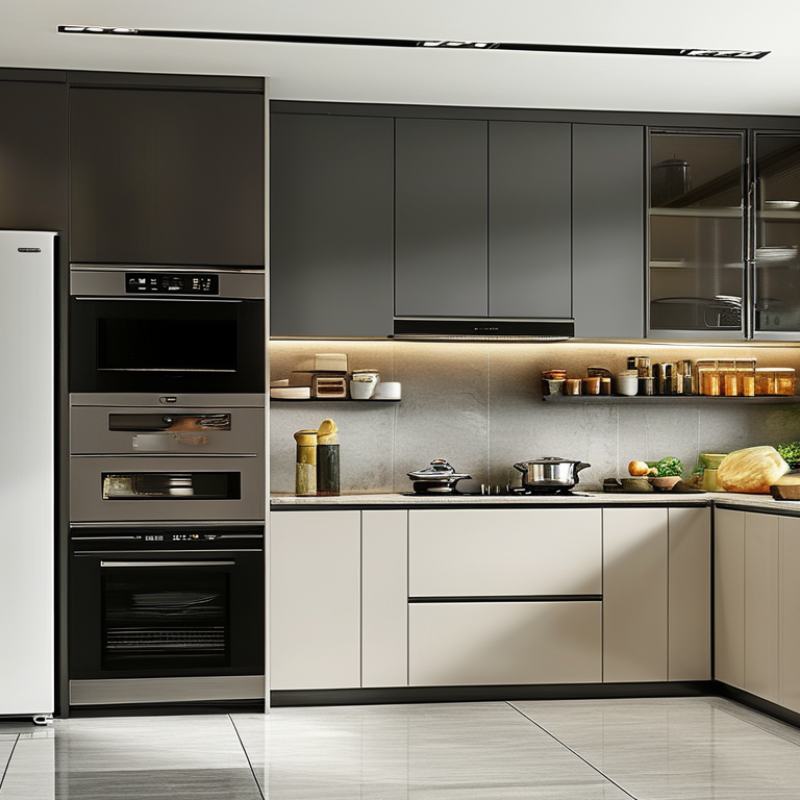
The rise of smart appliances in modern kitchens reflects a growing trend toward convenience and efficiency. These innovations simplify tasks with cutting-edge technology. Smart refrigerators alert you when food is about to expire. Ovens can be controlled remotely, allowing for precise cooking. This technological shift aims to save time and enhance culinary experiences.
Smart kitchens can also present challenges. Compatibility issues may arise with older devices. Additionally, relying too heavily on technology can overshadow traditional cooking skills. Balancing innovation with time-honored methods is important. Embrace change, but reflect on what cooking means to you.
When upgrading to smart kitchen appliances, understanding their features is crucial. Look for devices that offer app connectivity. This allows you to control your kitchen from anywhere. Real-time notifications can help you keep track of cooking times or maintenance needs.
Another key feature is voice control. Hands-free operation can be a game-changer while cooking. Whether you're stirring a pot or mixing ingredients, voice commands can simplify tasks. Consider how well these devices integrate with existing technology in your home.
Tips: Don't overlook user reviews. They provide insights into how reliable these appliances are. Be cautious about overly complicated interfaces. A device should enhance your cooking, not make it more frustrating. Always check compatibility with your smart home system before purchasing. Choosing wisely can lead to a more efficient kitchen.
Modern kitchens thrive on smart appliances that enhance efficiency and convenience. These innovations save time and effort in meal preparation. Imagine a voice-controlled oven preheating while you chop vegetables. This seamless integration transforms the cooking experience.
When selecting smart appliances, consider their compatibility with your kitchen. Make sure they connect to your existing systems. Look for energy-efficient options. Not all smart devices are user-friendly initially. Take time to learn their features. A little effort can lead to big rewards in daily tasks.
Embrace the chaos of technology. Not every gadget will work perfectly at first. Some may require troubleshooting. Stay patient. Experimenting with different settings can help you discover new cooking techniques. This discovery process adds creativity to meal preparation. Keep an open mind and enjoy the journey of modern cooking.
| Appliance | Functionality | Key Features | Price Range |
|---|---|---|---|
| Smart Refrigerator | Food storage and management | Touchscreen display, inventory tracking, recipe suggestions | $1,500 - $3,000 |
| Smart Oven | Cooking with precision | Wi-Fi connectivity, smartphone control, voice activation | $800 - $2,500 |
| Smart Coffee Maker | Coffee brewing | Programmable settings, app integration, brew strength options | $100 - $300 |
| Instant Pot | Multi-cooking appliance | Pressure cooking, slow cooking, rice cooking, air frying | $70 - $200 |
| Smart Dishwasher | Automated dish cleaning | Energy-efficient, remote monitoring, specialized wash cycles | $600 - $1,500 |
| Smart Toaster | Bread toasting | Customizable browning settings, app control | $50 - $200 |
| Smart Blender | Smoothie and food processing | Multiple speed settings, recipe library, self-cleaning | $100 - $400 |
| Smart Scale | Food weight measurement | Nutritional tracking, app synchronization | $30 - $100 |
| Smart Sous Vide | Precision cooking | Controlled water temperature, app operation | $100 - $300 |
Modern kitchens are evolving rapidly, integrating smart technology for efficient management. Smart appliances save time and enhance convenience. Imagine a refrigerator that tracks your groceries and suggests recipes based on available ingredients. It reduces food waste and shopping hassles. Such innovations also streamline meal preparation.
An intelligent oven can preheat remotely, allowing for a seamless cooking experience. It even adjusts cooking times and temperatures based on real-time data. Yet, relying on technology sometimes raises concerns. What if the appliance malfunctions or connectivity fails? Home cooks must remain engaged and adaptable, blending traditional skills with modern tools.
Smart kitchen technology is not without its challenges. Privacy and data security are significant issues. Users may wonder how their data is stored and used. While these appliances provide unparalleled convenience, it’s essential to be mindful of their limitations. A balance between technology and manual cooking is vital. This ensures a fulfilling culinary experience, maintaining attention on health and quality meals.
The kitchen of the future is evolving rapidly. Smart appliances are now central to this transformation. They promise convenience, efficiency, and innovation. Imagine a refrigerator that monitors freshness or an oven that adjusts cooking methods automatically. These advancements can simplify meal preparation.
However, challenges accompany these innovations. Not all smart appliances blend seamlessly with existing kitchen setups. Compatibility issues may arise, creating frustration. Additionally, users must navigate a learning curve to fully utilize these gadgets. Not everyone is tech-savvy, and this can hinder adoption.
Beyond convenience, smart appliances can significantly impact energy consumption. Many are designed to operate at peak energy efficiency. This shift may lead to lower utility bills. Yet, it raises questions about data privacy. As these devices collect user data, transparency is critical. Striking a balance between tech benefits and privacy concerns requires careful consideration.
: Smart appliances simplify kitchen tasks with advanced technology, promoting convenience and efficiency in cooking.
Regular software updates are essential for improving functionality and security of smart appliances.
Start small by focusing on one smart appliance to avoid feeling overwhelmed and gradually learn its features.
Look for app connectivity and voice control. These features enhance convenience and make cooking easier.
Integration may present challenges. Compatibility issues with older devices can arise, causing frustration.
Many smart appliances operate at peak energy efficiency, potentially lowering utility bills over time.
Yes, privacy concerns exist. These devices can collect user data, so transparency in data usage is important.
Some users may struggle to fully utilize smart appliances due to a lack of tech-savvy, complicating adoption.
Balance innovation with traditional cooking methods. Reflect on the significance of cooking beyond just convenience.
The article "10 Essential Smart Appliances for a Modern Kitchen" explores the transformative role of smart technology in contemporary culinary spaces. It highlights the rise of smart appliances, emphasizing their key features such as connectivity, automation, and efficiency. The article presents a detailed list of the top 10 smart appliances that are revolutionizing cooking and meal prep, showcasing how they enhance convenience and save time for users.
Additionally, it discusses the integration of smart technology for streamlined kitchen management, enabling homeowners to orchestrate their cooking processes seamlessly. As the culinary landscape continues to evolve, the piece concludes by examining future trends in smart kitchen appliances and their anticipated effects on cooking. In this context, the question "What are the essential smart appliances for a modern kitchen?" is addressed through an insightful examination of how these innovations can redefine traditional cooking methods.

Invito Furniture