Smart plugs are practical devices for reducing wasted electricity in modern homes. They connect appliances to a phone app, timer, or voice assistant. More importantly, they can reveal when devices consume power while appearing switched off. A television, game console, or coffee machine may quietly draw electricity overnight. Small losses become noticeable when repeated every day.
How to reduce household energy consumption with smart plugs? The answer begins with measurement, not guesswork. Choose models with certified electrical safety, overload protection, and reliable energy monitoring. Then track appliances for several days before creating schedules. A smart plug can turn off a desk lamp at bedtime, disconnect a charger after use, or prevent entertainment equipment from running during work hours. Simple routines matter. They are easy to maintain.
The best smart plugs do not automatically lower every household bill. High-power heaters, refrigerators, and washing machines require careful handling. Some appliances should never be disconnected without checking their manuals. Wi-Fi failures, inaccurate readings, and forgotten schedules can also reduce their value. That part is often overlooked. Comparing app data with a separate energy meter can improve confidence, although neither method is perfectly precise.
This guide examines smart plug features, real household applications, safety considerations, and realistic energy-saving results. It focuses on measurable habits rather than impressive promises. A plug cannot replace efficient appliances or responsible behavior. It can, however, make invisible consumption easier to see and control. That visibility may be the most useful benefit.
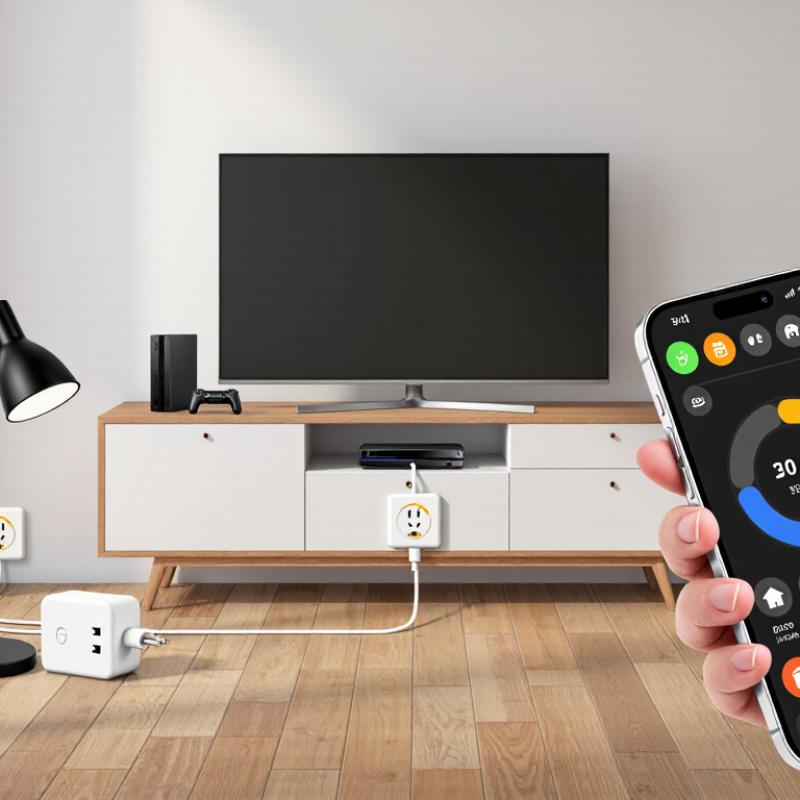
A smart plug is a small adapter placed between a wall socket and a household appliance. It connects through Wi-Fi or another local network. Users can control it with an app, timer, or voice command. Inside, a relay switches electrical power on and off. Some models also measure voltage, current, and estimated energy consumption. It is not magic.
This control can reduce standby electricity from lamps, chargers, and entertainment devices. A desk lamp can turn off at bedtime. A media player can lose power overnight. However, heaters and cooking equipment require greater caution. Check the plug’s load rating, ventilation needs, and local electrical requirements. Select products with recognized safety testing. Never use a smart plug with damaged cables or unsafe appliances.
Actual savings depend on household habits. Measure one device for seven days before scheduling it, then compare watt-hours afterward. This evidence is more reliable than a large saving claim on a package. Network failures may interrupt automated schedules. Some appliances also need continuous power for memory or safety functions. I still think it is easy to overestimate the benefit. A plug cannot correct every careless habit. Keep manual access available, and review the schedule when seasons or routines change.
Smart plugs can cut standby electricity by disconnecting selected devices during scheduled inactive periods. This comparison uses representative standby loads, assumes 16 hours of controlled standby time per day, and includes an estimated 0.5-watt continuous consumption for the smart plug itself.
Estimated annual electricity use is shown in kilowatt-hours (kWh). Actual results vary with device age, settings, usage patterns, and electricity tariffs.
China’s best smart plugs focus on measurable energy management, not novelty.
The strongest models display power, voltage, current, daily kilowatt-hours, and estimated cost. Clear graphs can reveal a router drawing power all night or a heater running longer than expected. The International Energy Agency’s Buildings 2023 report states that buildings consume about 30% of global final energy. Small loads matter when they operate continuously.
Scheduling is a core feature.
Users can switch off chargers at midnight or limit a dehumidifier to humid hours. Remote control helps, but local control is more reliable when Wi-Fi fails. For Chinese homes, support for 220–240-volt systems, overload protection, temperature monitoring, and certified materials deserve close attention. The U.S. Department of Energy notes that standby power may represent 5–10% of residential energy use. Measurement accuracy matters more than a colorful app.
The savings are not automatic.
A smart plug also consumes a small amount of electricity, and inaccurate sensors can create false confidence. I would compare its readings with a calibrated meter before trusting monthly figures. Data privacy needs attention too. Cloud-only features may be convenient, but local storage reduces dependence on remote servers. A practical plug should remember schedules, show abnormal consumption, and cut power safely. Not every appliance should be switched remotely. Essential medical equipment and refrigeration require careful judgment.
Smart plugs help households see where electricity disappears. They measure power used by lamps, heaters, chargers, and entertainment equipment. A phone app can display current watts and daily kilowatt-hours. That makes invisible standby consumption easier to understand.
The real savings come from control. Set a schedule for a desk lamp, aquarium pump, or coffee machine. Turn selected devices off when nobody is home. Some plugs detect unusual power changes and send alerts. This can prevent a forgotten heater from running all night. Small reductions matter. Several devices may consume standby power continuously.
Measurement should guide every decision. Compare a device’s reading before and after scheduling it. Check the plug’s maximum load before connecting high-power appliances. Heating equipment often needs careful handling and a properly rated socket. Choose products with recognized safety certification, clear instructions, and secure data settings. Avoid placing plugs near water or covering them with fabric.
The numbers can be surprising. A device that uses little power hourly may still add up over months. Yet smart plugs are not magic. They cannot reduce energy from an inefficient appliance while it is operating. App estimates may also differ from utility-meter readings. I once trusted a quick reading too much; longer monitoring gave a more realistic picture. Use several weeks of data, and question results that seem unusually perfect.
Smart plugs can reduce household energy use when they control specific appliances, not everything at once. In my own home, I began with a desk lamp, television, and Wi-Fi accessories. Measure first. I recorded their evening consumption for three days with a plug that displayed wattage. This revealed that my entertainment devices used less standby power than expected, while an older printer consumed more than I assumed.
Set schedules around real household routines. I programmed the television area to switch off after midnight and the printer to remain off during working hours. A morning schedule restored power before breakfast, so devices were ready without staying active all night. Use the energy-monitoring screen weekly, and compare kilowatt-hours rather than relying on guesses. Small reductions become clearer over several weeks.
Check the plug’s rated voltage and current before connecting any appliance. High-power heaters, kettles, and cooking equipment may require a properly rated control device and careful supervision. Never place a smart plug near water or cover it with furniture. Keep the setup simple. Too many schedules can create confusion, especially when family members need an appliance unexpectedly. I also discovered that automatic shutdown sometimes interrupted updates, so I changed that routine. Energy efficiency improves through testing, adjustment, and realistic habits rather than perfect automation.
A smart plug can reduce household energy use by scheduling heaters, lamps, and chargers. It cuts standby power when devices are not needed. Yet energy savings depend on daily habits, not the plug alone. Safety comes before convenience. Check the rated voltage, current, and maximum wattage before connecting any appliance. Never exceed the load rating. During a home check, feel the plug after an hour of use. Warm plastic deserves attention. It may signal poor contact, overload, or weak construction.
Compatibility also affects reliability. Confirm the plug fits the local socket and supports the household electrical standard. Check whether it requires 2.4 GHz Wi-Fi, an internet connection, or a separate hub. Some models lose scheduling functions during network failures. A physical switch is useful then. Review app permissions and update practices carefully. Energy reports can be helpful, but their readings are not always perfectly accurate. I would treat them as guidance, not laboratory results.
Tips: Choose a plug with overload protection, overheating protection, and clear safety certification. Test it with a small lamp before using it with a larger appliance. Keep ventilation space around the housing. Avoid placing it near water, curtains, or crowded adapters. Set schedules around real routines, such as turning a desk lamp off at midnight. Recheck the settings monthly; forgotten schedules can waste energy instead of saving it.
It can show watts, voltage, current, daily kilowatt-hours, and estimated costs. Clear graphs reveal overnight standby use.
They schedule selected appliances and cut power during unused hours. A television area might switch off after midnight.
Desk lamps, printers, chargers, and entertainment devices are practical choices. Start with low-risk appliances.
No. Use extra caution with medical equipment, refrigeration, heaters, kettles, and cooking appliances.
Check support for 220–240-volt systems, current limits, overload protection, and temperature monitoring. Keep plugs away from water.
No. It also uses some electricity and cannot improve an inefficient appliance while operating.Savings vary.
Accuracy differs between devices and operating conditions. Compare readings with a calibrated meter before trusting monthly estimates.
Prefer models offering local control and stored schedules. Remote control is convenient, but local operation is more dependable.
Review cloud settings and prefer local storage when practical. Convenient access can increase dependence on remote servers.
Measure one appliance for three days, then schedule it around real household routines. Review weekly kilowatt-hours.Keep it simple.
Too many schedules may confuse family members or interrupt device updates. Test routines and change them when real life disagrees.
Smart plugs are simple devices that connect household appliances to a power outlet and allow users to control them through schedules, timers, sensors, or mobile applications. China’s best smart plugs for energy management may include features such as real-time power monitoring, overload protection, automatic shutoff, standby-power detection, and remote access. By showing how much electricity an appliance uses, they help households identify wasteful habits and manage high-consumption devices more effectively.
How to reduce household energy consumption with smart plugs? Start by connecting suitable appliances, measuring their usage, and creating schedules that match daily routines. Users can turn off devices automatically when they are not needed, reduce standby consumption, and avoid leaving heating, lighting, or entertainment equipment running unnecessarily. Before choosing a smart plug, check its voltage, current capacity, socket compatibility, network requirements, and safety certifications. Proper installation and responsible use are essential for reliable performance and safer, more efficient home energy management.

Invito Furniture