Using a steam iron is essential for many household tasks. However, it can be frustrating when your steam iron won't get hot. This issue can lead to wrinkled clothes and a loss of time. Knowing how to troubleshoot a steam iron that won't get hot is crucial for maintaining your ironing routine.
Common issues arise from simple problems like a faulty power source or a clogged steam vent. Checking these can save you time and effort. Skills in electrical troubleshooting can come in handy. Yet, not everyone feels confident in this area. It’s perfectly normal to feel uncertain when dealing with electrical appliances. You might worry about making a mistake or causing further damage.
In this article, we will explore practical steps to diagnose and fix your steam iron. We aim to provide clear, reliable advice based on expert knowledge. Our tips will empower you to take on the challenge instead of avoiding it. Let's delve into the common reasons for a steam iron not heating up and how to get it working again.
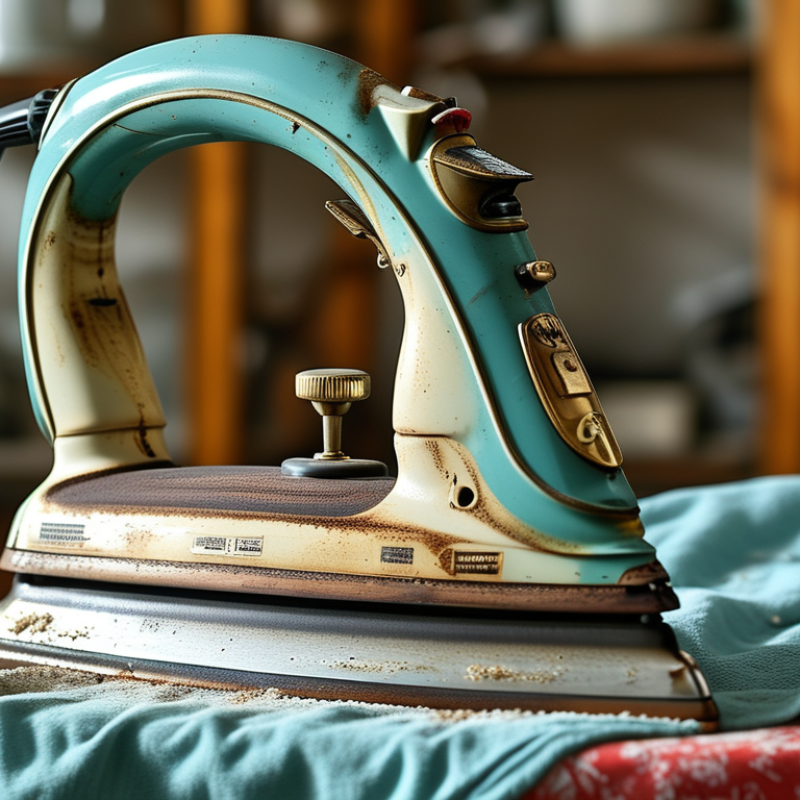
When your steam iron refuses to heat up, it can be frustrating. Several common issues could be the culprit. First, check the power supply. Ensure the iron is plugged in and the outlet is functional. Sometimes, a blown fuse or tripped breaker can interrupt power flow. These are easy fixes, yet they often go overlooked.
Another reason could be mineral buildup. Over time, minerals from water accumulate in the steam chamber. This can block the heating element. Regularly descaling your iron can improve its performance. Use a mixture of vinegar and water for this task. It’s a simple solution but often neglected.
Lastly, the temperature settings might be incorrect. Double-check the dial. Many users find themselves on the wrong setting without realizing it. Adjusting the settings can make a noticeable difference. It’s essential to remember that even small mistakes can affect your appliance's efficiency. Understanding these issues can lead to a more effective and reliable steam iron.
Steam irons are essential tools for wrinkle-free clothes, but they can sometimes fail to heat up. Understanding possible electrical issues can help you troubleshoot. Start by checking the power supply. Ensure that the outlet is functional and the cord is in good condition. Frayed cords or loose connections can disrupt power flow. If the iron is plugged in but not warming up, it may be a sign of internal wiring issues.
Another common issue is the thermostat malfunction. This component regulates the temperature and can sometimes fail, causing the iron to stay cold. If the thermostat isn’t set properly, the appliance won't heat up as expected. You may also need to inspect the heating element. If it is damaged, the iron will be inefficient. Consider disassembling the iron to examine these parts carefully, or consult a professional for advice.
It's vital to regularly maintain your steam iron. Check for mineral buildup, which can affect performance. Clean the steam holes as needed to prevent clogs. By being proactive, you can enhance the longevity of your iron. Understanding these details empowers you to address problems effectively when they arise.
| Issue | Possible Cause | Solution |
|---|---|---|
| Does not heat | Power supply issue | Check power cord and outlet. Replace if damaged. |
| Water leaks | Incorrect water level | Adjust water level and empty excess water. |
| Steam not coming out | Clogged steam holes | Clean steam holes with a pin or vinegar solution. |
| Temperature inconsistent | Thermostat malfunction | Replace the thermostat or consult a technician. |
| Power indicator light off | Internal wiring issue | Inspect and repair internal wires. |
To keep your steam iron working effectively, regular cleaning is essential. Start by unplugging the device and letting it cool. Empty any unused water. A buildup of mineral deposits can hinder performance. Mix equal parts water and vinegar, then fill the reservoir. Turn on the iron and let it steam for a few minutes. This process helps to remove scale and improve heating efficiency.
Inspect the steam vents regularly for clogs. Use a soft brush or a cotton swab to gently clear them. It’s easy to overlook these small details. Dirty vents can lead to uneven steam distribution. This can cause frustration while ironing and may lead to wrinkles remaining in clothes. Additionally, always store your iron in an upright position.
Consider the water you use as well. Tap water often contains minerals that can build up over time. Using distilled water can minimize this issue. Remember to clean your iron after every few uses. Neglecting maintenance can lead to reduced performance. It’s a constant balancing act. Pay attention to details, and your steam iron will reward you with optimal results.
If your steam iron refuses to heat, the heating element might be defective. This situation can be frustrating, especially when you're in a hurry. Inspecting the heating element is a crucial step to identify the issue. Begin by unplugging the iron and letting it cool down. Open the iron carefully to access the heating element. Check for visible signs of damage, such as burnt components or broken connections. These signs can indicate that a replacement is necessary.
Replacing the heating element requires some technical know-how. Ensure you have the right tools, like a screwdriver and multimeter. After extracting the old element, test the new one for continuity. A good element should show a reading on the multimeter. Follow the manufacturer’s guidelines for installation, and ensure all connections are secure. Take time to double-check your work before reassembling the iron. These steps are essential to avoid further issues and enhance durability. Even small mistakes in wiring can lead to malfunction. So, it's worthwhile to approach this task patiently and cautiously.
When your steam iron fails to heat properly, troubleshooting is critical. Before seeking professional repair, check the power source. Ensure the outlet functions by plugging in another device. If the iron remains cool, it may indicate a deeper issue. A malfunctioning thermostat is a common cause, with studies highlighting that over 30% of failed irons suffer from this problem.
If preliminary checks yield no results, it's time to consider professional help. Repair services often charge between $30 to $70, depending on the complexity. In many cases, the cost of repair can be significantly lower than replacing the unit. Statistics show that roughly 20% of home appliances are repaired rather than replaced, emphasizing the importance of expert evaluation when necessary.
Recognizing when to seek help is crucial. If the steam iron leaks or emits strange sounds, these symptoms often indicate advanced issues. Ignoring these signs can lead to further damage. Professionals have specialized knowledge and experience in handling such repairs effectively. Invest in quality repair services to ensure the longevity of your appliance while avoiding the pitfalls of DIY fixes.
: Check the power supply. Ensure it is plugged in and the outlet works.
Minerals from water accumulate in the steam chamber over time, blocking the heating element.
Use a mixture of vinegar and water. Regular descaling improves performance but is often overlooked.
Check the thermostat and heating element for damage or improper settings.
Look for signs of damage, like burnt components or broken connections.
A screwdriver and a multimeter are essential for this task.
Small wiring mistakes can cause further malfunction. Be cautious and patient with reassembly.
Yes, regularly clean the steam holes to prevent clogs and enhance longevity.
If your steam iron isn't heating up, it can be a frustrating experience. Understanding how to troubleshoot a steam iron that won't get hot is essential for effective repair. Common reasons for this issue include electrical problems, such as a faulty power cord or plug, which are often the first culprits to check. Additionally, regular cleaning and maintenance are crucial for optimal performance, as mineral buildup can impede functionality.
In cases where these simple fixes don't work, inspecting and potentially replacing a defective heating element may be necessary. It's important to follow specific steps in this process to ensure safety and effectiveness. If multiple troubleshooting attempts fail, it may be time to seek professional repair for your steam iron to avoid further damage and ensure its longevity.

Invito Furniture