A sharp plastic odor from your blender is not just an unpleasant kitchen surprise. It may signal motor strain, overheating, damaged insulation, or friction near the blade assembly. So, why does the question “Why does my blender smell like burning plastic when running?” deserve immediate attention? Because the smell can appear before visible smoke, melted housing, or a sudden electrical failure.
The U.S. Consumer Product Safety Commission has repeatedly recalled household appliances for overheating and fire hazards. NFPA research also reports about 35,150 home fires annually involving electrical distribution and lighting equipment, although this figure does not isolate blenders. That limitation matters. It would be careless to blame every odor on an electrical defect.
John Drengenberg, former Consumer Safety Director at UL, has advised consumers, “If an appliance smells like it is burning, unplug it and investigate the cause.” That practical warning fits a blender sitting on a warm countertop, with its vents blocked by flour dust or a towel. A repair technician may find a worn coupler, overloaded motor, loose blade bearing, or cord damage. Sometimes, the smell comes from residue touching a hot motor housing. Sometimes, it signals a failing appliance.
This guide examines those possibilities using manufacturer safety instructions, appliance-repair experience, and recognized fire-safety guidance. It also admits an uncomfortable point: stopping the odor is not always the same as fixing the danger. Unplug the blender first. Let it cool completely. Never keep testing it merely because the smell disappears.
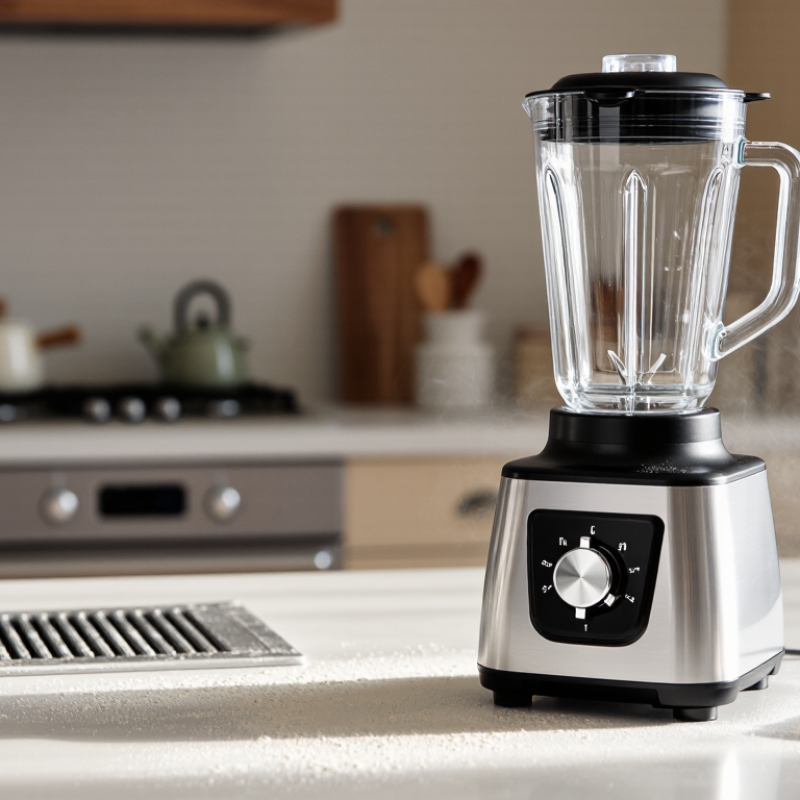
A burning-plastic smell usually signals heat, friction, or damaged insulation. Locate the source before using the blender again. Smell the base, cord, plug, and wall outlet separately, without touching hot surfaces.
A sharp odor from the motor vents may indicate overheated windings or internal insulation. A smell beneath the jar can point to a slipping drive coupler, worn bearing, or trapped food rubbing against moving parts. Check for softened plastic, dark marks, smoke, unusual vibration, or a sudden change in motor pitch.
The warning signs matter. A hot plug, flickering power, crackling sound, or repeated odor means stop and unplug the appliance. Do not keep testing it.
The Electrical Safety Foundation International reports about 51,000 home electrical fires annually, with roughly 500 deaths and 1,400 injuries. That figure covers many appliances, not blenders alone, but it shows why an odor deserves attention.
The National Fire Protection Association also links electrical distribution and lighting equipment to tens of thousands of home fires each year. Let the unit cool, then inspect the blade area for jammed ingredients and confirm the container is seated correctly.
Never ignore a smell that returns after cleaning. I have found that “just one more blend” is often the wrong experiment. If the odor comes from the cord, outlet, or motor housing, arrange qualified electrical inspection or replace the appliance.
How to Stop Your Blender Smelling Like Burning Plastic
Unplug the Blender and Check Its Removable Parts
Unplug the blender immediately if a hot-plastic smell appears. Do not rely on the power switch alone. Electrical Safety Foundation International reports about 51,000 home electrical fires annually in the United States, based on national fire data. That statistic is broader than blender incidents, but it supports a simple rule: remove power before investigating.
Let the motor base cool completely. Then detach the jar, blade assembly, lid, and sealing ring. Look for melted plastic, dark marks, warped edges, or food trapped beneath the blade. A loose blade can create friction and heat. A damaged seal may also rub against moving parts. I once found dried sauce under a blade collar; the odor seemed electrical, but the residue was part of the problem.
Inspect removable parts under bright light. Wash them separately with warm water and mild detergent. Keep water away from the motor base and its vents. Never test the blender while parts remain wet. Check the cord and plug for soft spots, discoloration, or a sharp smell. Stop using it if any appear.
If the odor returns after cleaning and drying, unplug it again. Do not open the motor housing unless qualified to do so. A professional appliance technician can test the motor, bearings, and internal wiring safely. My first assumption may be wrong; persistent burning smells deserve more than another cleaning.
Unplug the blender before checking any removable parts. Look for the following observable warning signs, including melting, distortion, discoloration, cracking, or unusual friction.
What to do: Remove and inspect the jar, blade assembly, gasket, lid, and drive coupling. Stop using the blender if any part is melted, cracked, warped, discolored, or difficult to turn. Do not reconnect the appliance until damaged parts have been replaced and the motor and cord have been checked.
A burning-plastic smell often comes from residue trapped around the blade assembly, gasket, or lid. Dried oils can heat up and release a sharp odor. Unplug the blender before cleaning, then separate every removable part. Never place the motor base in water.
I once cleaned the jar but ignored the underside of the blade. That small mistake left a stale, heated smell after several uses. Scrub the blade area carefully with warm water, mild dish soap, and a soft brush. Use a cotton swab for the narrow groove beneath the gasket. Rinse all removable parts thoroughly. Soap residue can create another unpleasant smell when the blender warms.
Let each piece air-dry completely before reassembling it. A damp gasket can hold food particles and develop an odor overnight. For stubborn grease, soak the removable parts briefly in warm, soapy water. Avoid harsh chemicals, abrasive pads, and mixing cleaning products. They may damage seals or leave unsafe traces.
Check the jar’s bottom and the blade housing for dark stains, cracks, or softened plastic. These details matter. If cleaning does not remove the smell, stop using the blender and consult the operating instructions or a qualified repair professional. I used to assume every plastic odor meant an electrical problem, but residue was often responsible. Still, repeated burning smells should never be dismissed.
| Step | Area to Check | What May Cause the Odor | Recommended Cleaning or Action | Frequency or Timing | Priority |
|---|---|---|---|---|---|
| 1 | Motor base and ventilation openings | Food residue, dust, or restricted airflow can allow heat to build up around the motor. | Unplug the blender. Wipe the exterior with a slightly damp cloth and use a soft, dry brush to remove debris from ventilation openings. Do not pour water into the base. | After spills and during routine cleaning | High |
| 2 | Blade assembly and underside of the jar | Old food particles, oils, or moisture may remain around the blade seal and produce a stale or heated smell. | Separate removable parts according to the appliance instructions. Wash the jar, blade area, and removable seal with warm water and mild dish soap. Rinse and dry completely. | After every use, especially after oily foods | High |
| 3 | Jar gasket or sealing ring | Absorbed odors and trapped residue can remain in silicone or rubber sealing components. | Remove the gasket if it is designed to be removable. Wash both sides, inspect the groove, and let the part air-dry before reassembly. | Weekly or whenever an odor returns | Medium |
| 4 | Jar, lid, and lid plug | Thick mixtures can dry beneath the lid or inside small openings, where residue is difficult to see. | Soak removable parts in warm, soapy water. Use a soft bottle brush or toothbrush for seams and narrow openings. Avoid abrasive pads that can scratch plastic. | Immediately after thick or sticky recipes | Medium |
| 5 | Odor-removal rinse | Soap may remove grease but leave food odors behind, particularly after garlic, spices, or protein-rich ingredients. | Fill the jar with warm water and a small amount of dish soap, then run the blender briefly only if the appliance instructions permit it. Rinse thoroughly and air-dry with the lid off. | When ordinary washing does not remove the smell | Low |
| 6 | Blending load and duration | Overfilling, very thick mixtures, or prolonged operation can increase motor strain and heat. | Use smaller batches, add sufficient liquid when appropriate, and follow the appliance’s stated operating limits. Stop if the motor slows, sounds unusual, or becomes excessively hot. | Every time the blender is used | High |
| 7 | Electrical cord, plug, and housing | A damaged cord, melted plastic, discoloration, smoke, or repeated burning odor may indicate an electrical or motor fault rather than residue. | Unplug the appliance immediately and do not continue using it. Have it assessed by a qualified repair professional or replace it according to local safety guidance. | Immediately when these signs appear | High |
| 8 | Drying and storage | Trapped moisture under seals or in the jar can encourage odor-causing buildup. | Dry every removable part fully before reassembly. Store the jar with the lid loosened or removed when practical to improve airflow. | After every cleaning | Medium |
A burning-plastic smell from a blender deserves attention, not another test run. Start with the motor housing. Unplug the appliance, then inspect for heat-darkened plastic, melted seams, unusual vibration, or a sharp electrical odor. A motor that smells hot after brief use may have overloaded bearings, worn brushes, or restricted cooling. NFPA reports that electrical distribution and lighting equipment caused about 32,620 home fires annually from 2015 to 2019. A blender is smaller, but the warning principle remains relevant: damaged electrical parts can become ignition sources.
Check the power cord from plug to base. Look for flattened insulation, exposed wiring, stiff sections, or brown marks around the plug. Do not bend the cord sharply to make the odor disappear. Inspect the ventilation openings underneath and around the motor. Flour, dust, and spilled food can block airflow, forcing the motor to run hotter. The U.S. Consumer Product Safety Commission repeatedly identifies damaged cords and overheated appliances as household electrical hazards. That evidence supports a cautious response, although it does not prove every smell indicates immediate failure. My practical mistake was ignoring a faint odor during a thick blend; it became stronger after repeated use.
Tips: Unplug before cleaning. Use a dry, soft brush around vents. Never insert metal objects. Stop using the blender if smoke, sparking, or repeated overheating appears. Have a qualified appliance technician inspect persistent faults. Let the motor cool fully between demanding blends, even when the manual seems permissive.
How to Stop Your Blender Smelling Like Burning Plastic
A burning-plastic smell deserves caution, not repeated testing. Unplug the blender immediately and let the motor cool completely. Do not touch the base while it feels hot. Check the power cord, plug, vents, housing, and drive coupling for melted areas, discoloration, cracks, or loose parts. Look closely.
Remove the jar and wash only the removable components. Never place the motor base under running water. If the base looks damaged, skip the test and arrange an inspection by a qualified appliance technician. If no damage appears and the operating instructions allow it, add a small amount of water before testing. Do not run the blender empty. Keep the lid secured, keep your hands away, and remain beside the appliance. Run it briefly. Stop at once if the smell returns, the motor struggles, sparks appear, or the base becomes unusually hot.
A faint odor from a new motor may fade after limited use, but harsh plastic fumes are different. I once treated recurring heat as a minor inconvenience; that was careless. A blender that smells burnt during several short tests should not remain in daily service. Replace it when the casing has softened, the cord is frayed, the motor makes grinding noises, or the odor continues after cleaning and cooling. Repair may be reasonable for a high-quality unit with accessible parts, but a sealed, damaged motor assembly often deserves replacement. Trust repeated warning signs. Door handles should not feel hot.
Unplug it immediately. Do not trust the power switch alone. Let the motor base cool completely before inspecting anything.
Detach the jar, blades, lid, and sealing ring. Look for melted plastic, dark marks, warped edges, or trapped food.
Yes. Dried sauce beneath a blade collar can smell strangely electrical. Clean every removable part carefully.
Wash removable parts with warm water and mild detergent. Keep water away from the motor base and ventilation openings.
Look for heat-darkened plastic, melted seams, unusual vibration, or a sharp electrical odor. A hot motor after brief use needs attention.
Check the entire cord and plug. Watch for flattened insulation, exposed wires, stiff areas, or brown marks.
Yes. Flour, dust, or spilled food can restrict airflow. Use a dry, soft brush around the vents.
Stop if smoke, sparks, repeated overheating, or a returning odor appears. Do not perform another test run.
Usually, no. Internal wiring and bearings require qualified inspection. My first assumption might be wrong.
Unplug the blender again and leave it unused. A technician should examine the motor, bearings, and internal wiring.
A burning plastic odor from a blender should never be ignored. If you are asking, “Why does my blender smell like burning plastic when running?” begin by switching it off and unplugging it. Check the removable jar, blade assembly, lid, and seal for melted plastic, trapped food, friction, or residue. Thoroughly clean and dry these parts, since dried ingredients can heat up and create an unpleasant smell during operation.
Next, inspect the motor housing, power cord, plug, and ventilation openings for discoloration, damage, dust, or blocked airflow. Do not open the motor unit or touch damaged wiring. After cleaning and checking the blender, perform a brief test with a small amount of water while staying nearby. Stop immediately if the odor returns, the motor sounds unusual, the unit becomes excessively hot, or smoke appears. Persistent burning smells or visible electrical damage indicate that the blender should be professionally assessed or replaced rather than used again.

Invito Furniture