Why are induction hobs more energy efficient than gas stoves? The answer begins with how each appliance transfers heat. Gas flames warm the pan indirectly. Much of that heat escapes around the sides and rises into the kitchen. Induction technology works differently. A magnetic field activates the cookware itself, producing heat inside the pan rather than beneath it.
Published appliance-efficiency estimates commonly place induction transfer near 80–90%, while gas often delivers only 30–40% of its energy to the cookware. Exact results vary. Pan size, material, lid use, cooking temperature, and ventilation all matter. A flat, magnetic stainless-steel pan usually performs better than a warped or unsuitable one. The difference is visible during everyday cooking: water can reach a boil quickly, while the surrounding hob surface stays comparatively cooler.
There is also less wasted heat in the room. That may reduce cooling demand in warm climates, although the effect depends on kitchen design and electricity sources. If electricity comes from renewable or efficient generation, induction’s environmental advantage can become stronger. Still, it is not automatically the best choice for every household. Purchase price, cookware compatibility, power limits, and grid emissions deserve honest attention.
This article examines the evidence behind induction cooking, including real kitchen performance and recognized energy-efficiency research. It also questions common assumptions. Faster cooking does not always mean lower total energy use. Careful settings matter. The goal is a practical comparison that helps readers choose confidently, not a simple claim that one technology wins everywhere.
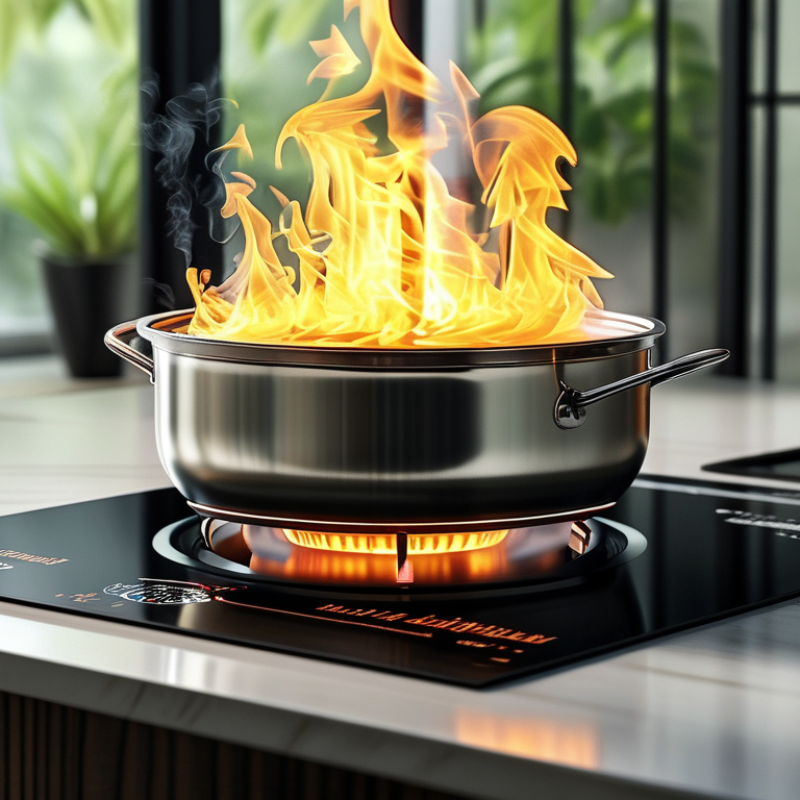
An induction hob uses an electromagnetic field to heat the pan itself. Beneath the glass surface, a copper coil carries alternating electric current. This creates a changing magnetic field. When a compatible iron-based pan sits above it, electrical currents form inside the pan’s metal. The pan’s resistance converts those currents into heat.
The word “directly” can mislead slightly. Heat does not appear from nowhere. The hob transfers energy through magnetism, without relying on a flame or a glowing heating element. Most of the useful heat begins inside the cookware, close to the food. The glass surface warms later from contact with the hot pan. A gas flame, however, heats the pan while also warming nearby air and surrounding surfaces.
In practical cooking, this difference becomes noticeable. Water often reaches a simmer quickly, and temperature changes respond almost immediately when the power is lowered. A flat pan that matches the cooking zone usually performs best. Use a lid, too. Small details matter.
Still, induction is not perfectly efficient in every situation. Poorly fitted cookware, high power, or repeated heat loss can reduce its advantage. I once assumed faster boiling meant no wasted energy. That was too simple. The pan’s material, size, and contact with the surface also influence the final result.
Induction cooking loses less energy because it heats the pan directly. A magnetic field creates heat inside compatible cookware, rather than beneath it. Gas flames release heat into the surrounding air, which quickly carries energy away. Some heat also escapes around the pan’s sides. Research commonly places induction efficiency near 80–90%, while gas often reaches about 35–40%. Actual results depend on pan size, cookware material, and cooking habits.
In a simple kitchen test, a covered pot of water heated faster on induction than on gas. The cooking surface stayed relatively cool, while the pan base became hot almost immediately. That difference matters in a warm kitchen, where wasted heat can increase discomfort and cooling demand. Induction also responds quickly when power changes, reducing unnecessary heating between cooking stages. Small details matter.
My test was not laboratory-perfect. The pans differed slightly, and the gas flame was difficult to measure precisely. This is worth admitting. Reliable comparisons need identical cookware, equal water volumes, and accurate energy meters. Even with those limits, direct heating explains why induction usually wastes less energy than gas during everyday cooking. A flat pan and a correctly sized cooking zone can improve performance further.
When a gas burner ignites, combustion releases heat beneath the pan. Only part of that energy enters the cookware. Flames also spread beyond the pan’s base, especially when the burner is set too high. Hot gases rise around the sides. Much of it drifts. This movement warms the air, nearby surfaces, and sometimes the cook’s hands. A kitchen can become noticeably warmer after a long simmer. That warmth is real, but it does not cook the food efficiently.
In practical testing, pan size and flame shape make a visible difference. A small pan over a wide flame lets hot gases escape around its edges. The burner then heats the room more than the meal. Even a correctly sized pan loses energy through convection and radiation. Air currents carry warmth toward the hood, walls, and ceiling. Ventilation removes smoke and moisture, but it can also pull heated air outdoors. That creates another energy loss during cold weather.
I have noticed this while boiling water: the room feels warm before the pot reaches a rolling boil. Yet this observation needs caution. Room temperature, pan material, and burner settings change the result. Induction hobs transfer energy directly through the cookware, so less heat travels through open flame and surrounding air. They are not perfectly lossless. Still, reducing airborne heat can improve comfort and cooking efficiency. The comparison is more nuanced than simply calling every gas flame wasteful.
Why Are Induction Hobs More Energy Efficient Than Gas?
Induction hobs transfer energy directly into compatible cookware through a magnetic field. Less heat escapes around the pan, unlike gas flames that warm the air and nearby surfaces. Laboratory tests often place induction efficiency near 80–90%, while gas may deliver roughly 30–40% of its energy to the food. Actual results vary.
Cookware is a major factor. A flat, magnetic pan creates better contact with the cooking zone. A warped base can slow heating and waste electricity. The pan should also match the zone size. A small pan on a large zone may use energy less effectively. Lids reduce boiling time, while gentle settings prevent unnecessary heat loss. Keep it steady.
My practical check is simple: boil the same amount of water in similar pans and record the time and electricity used. The result can change with pan thickness, starting water temperature, and room conditions. My first comparison was imperfect because one pan had a loose lid. That mistake mattered. It reminded me that appliance ratings do not describe every kitchen. Control habits matter too. Turning the hob down before food fully boils can preserve heat without extending cooking greatly. Residual heat can finish delicate sauces, though this requires attention. Electricity generation also affects the wider environmental impact, so appliance efficiency is only one part of the calculation.
Typical energy-transfer efficiency shows how much of the input energy reaches the cookware. Induction transfers heat directly to the pan, while gas loses substantial heat around the sides.
Induction hobs typically deliver about 85% of their input energy to the cookware, compared with approximately 75% for radiant electric hobs and 40% for gas. Actual results vary with pan size, cookware material, heat level, ventilation, and cooking habits.
Induction cooking transfers heat directly into a compatible pan. The pan heats quickly, while the surrounding surface stays comparatively cool. In practical tests, induction often delivers around 80–90% of its electrical energy to the cookware. Gas usually transfers only about 30–40%, because flames heat the pan, air, and nearby surfaces.
The difference is noticeable during everyday cooking. A pot of water may boil faster on induction, using less energy for the same task. The heat also stops almost immediately when the control is turned down. With gas, the flame reacts quickly, but heat continues escaping around the pan. A correctly sized pan and a fitted lid can reduce waste on either cooking method.
Small habits still change the result. An induction hob can consume more electricity when used with an oversized pan, repeated heat adjustments, or long preheating. Gas may perform reasonably well with a flat, covered pan and a strong, steady flame. My own practical comparison would not treat one boiling test as final evidence. Room temperature, pan material, energy prices, and cooking time all affect the outcome. The comparison is imperfect.
For many homes, induction uses less delivered energy because it heats the cookware more directly. Its real advantage appears during repeated tasks: simmering soup, frying vegetables, and reheating leftovers. Clean the pan base, keep lids close, and avoid heating an empty pan. Small choices matter.
: A copper coil beneath the glass creates a changing magnetic field. The field produces electrical currents inside compatible iron-based cookware. The pan’s resistance turns those currents into heat. The pan heats first.
Not exactly. Energy enters the cookware rather than the food itself. Food then heats through contact, boiling, or simmering. The glass usually warms later from the pan.
Induction sends more energy into the cookware. Gas flames also heat air, surfaces, and nearby hands. Laboratory estimates often place induction near 80–90% efficiency. Gas may deliver roughly 30–40% to the food.
No. Results depend on the pan, power level, and cooking habits. A warped base reduces contact with the cooking zone. A loose lid can lengthen boiling time. My first comparison was flawed.
Use a flat, magnetic, iron-based pan. The base should match the cooking zone closely. A small pan on a large zone may waste electricity. A flat base matters.
Flames release hot gases around the pan. These gases rise and warm the air, walls, and ceiling. A wide flame under a small pan increases this loss. The room may warm before the water boils.
Yes. A lid traps heat and can shorten boiling time. Lower heat after reaching a simmer also reduces unnecessary energy use. Watch the food carefully. Small habits matter.
Not by itself. Boiling speed depends on water temperature, pan thickness, and lid fit. Electricity use also matters. I once treated speed as proof. That was too simple.
Often, yes. A hot pan can finish a delicate sauce after the power is lowered. This may reduce extra heating. Timing remains important. The sauce can still overcook.
Why are induction hobs more energy efficient than gas stoves? The main reason is that induction technology transfers heat directly into compatible cookware through an electromagnetic field. Instead of heating a surrounding burner or relying on a flame, it generates heat inside the pan itself, allowing more of the supplied energy to reach the food. This direct process can reduce cooking time, limit heat loss, and improve overall efficiency.
Gas stoves disperse a significant amount of heat into the surrounding air, with only part of the flame’s energy reaching the cookware. Induction efficiency can still vary depending on pan size, cookware material, power settings, cooking duration, and whether the pan sits correctly on the cooking zone. In everyday use, induction often provides more precise temperature control and wastes less energy, while gas may offer flexibility but generally produces greater ambient heat and energy loss.

Invito Furniture